

Preparing Your Autistic or Neurodivergent Child for a Successful Back-to-School Transition in 2026
The start of a new school year brings new teachers, new routines, new classmates, and new opportunities. For many autistic and neurodivergent children, it can also bring uncertainty, anxiety, and sensory challenges.
The good news? A little preparation before the first day of school can make a big difference.
At the Ackerman Center, we work alongside families every day to help children, teens, and young adults thrive. We know that every child is unique, and there is no one-size-fits-all approach to preparing for school. However, there are proven strategies that can help reduce stress, build confidence, and create a smoother transition for the entire family.
Here are our top recommendations for the 2026 school year.

Start Preparing Earlier Than You Think
Many families wait until the week before school starts to begin talking about the new school year. Instead, begin introducing the idea of school several weeks in advance.
Talk positively about returning to school, discuss what your child can expect, and slowly bring school back into everyday conversations.
Recent guidance from Autism Speaks also recommends using countdown calendars, discussing school throughout the summer, and gradually preparing children for the upcoming transition rather than treating the first day as a surprise.
Try this:
Count down the days until school starts.
Drive or walk past the school.
Read books about the first day of school.
Look at photos from last year if returning to the same campus.

Rebuild Your School Routine
Summer schedules often look very different from the structure of the school year.
Begin shifting bedtime, wake-up time, meals, and morning routines about two weeks before school begins. Small adjustments each day are often much easier than trying to make dramatic changes overnight.
"Many of our patients really thrive on routine," says Dr. Rooman Ahad, Pediatric Neurologist at the Ackerman Center. "Having a consistent bedtime, wake time, and morning routine before school begins can make the transition much smoother."
Don't forget to practice the entire morning routine:
Waking up
Getting dressed
Eating breakfast
Packing a backpack
Leaving the house on time
The more familiar the routine becomes, the less stressful the first week tends to be.

Visit the School Before the First Day
If possible, attend orientation, back-to-school night, or arrange a visit to the campus before classes begin.
Walking through the school ahead of time helps make an unfamiliar environment feel much more predictable.
During your visit, consider showing your child:
Their classroom
Bathrooms
Cafeteria
Playground
Drop-off and pick-up locations
Bus loading area (if applicable)
If your child is attending a new school, taking photos during the visit can also help you create a visual reminder to review at home.

Use Visual Supports
Visual schedules remain one of the most effective tools for easing transitions.
Research continues to support the use of visual supports because they increase predictability, reduce anxiety, and promote independence. They can include:
Visual schedules
First-Then boards
Picture schedules
Timers
Social stories
Checklists
Autism Speaks recently reaffirmed visual supports as an evidence-based practice that can help children better understand routines and transitions while reducing behavioral challenges.

Share More Than an IEP
An Individualized Education Program (IEP) is incredibly important, but teachers also benefit from understanding who your child is beyond the paperwork.
Consider creating a simple one-page "All About Me" profile that includes:
Strengths
Interests
Communication style
Sensory preferences
Calming strategies
Motivators
Triggers
Medical considerations
Preferred supports
This gives educators practical information they can begin using on day one.
"I often encourage parents to stay connected with teachers and continue advocating for their child throughout the year," says Dr. Ahad. "Our Family Navigation team is also available to help families better understand their child's IEP and educational supports."
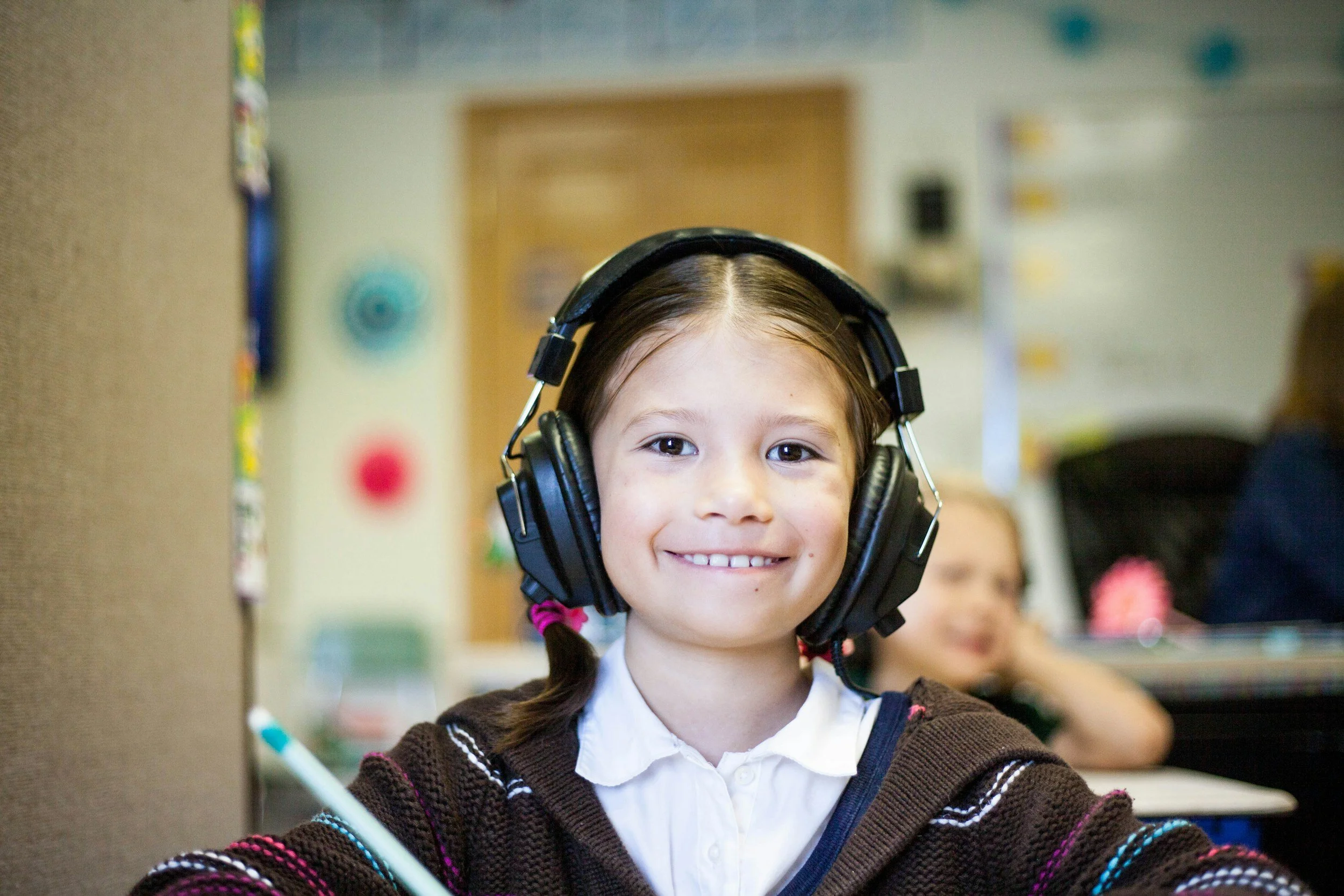
Prepare for Sensory Challenges
Classrooms can be noisy, busy, and full of unexpected sensory input.
Rather than waiting until sensory overload happens, work with your child's teacher to create a proactive plan.
Helpful supports might include:
Noise-reducing headphones
Fidget tools
Flexible seating
Scheduled sensory breaks
Quiet workspaces
Movement opportunities
Talk with your child about which sensory tools already help them regulate at home and see if similar supports can be incorporated into the classroom.

Practice Social Skills in Everyday Life
Social skills don't have to be practiced only at school.
Throughout the summer and during the school year, create opportunities to interact with peers through activities your child genuinely enjoys.
These might include:
Clubs
Sports
Library activities
Art classes
Coding groups
Music lessons
Community events
Grant a Gift Tip:
Practice new skills with siblings and family members first, then help your child apply those same skills with peers in school or community settings.
Let Their Interests Become Their Strengths
Special interests are often powerful learning tools.
Rather than seeing them as distractions, use them to increase motivation and engagement.
Examples include:
Practicing math using favorite characters
Reading books about preferred topics
Joining clubs that align with personal interests
Exploring volunteer or career opportunities for older students
Building on strengths often leads to greater confidence and increased independence.
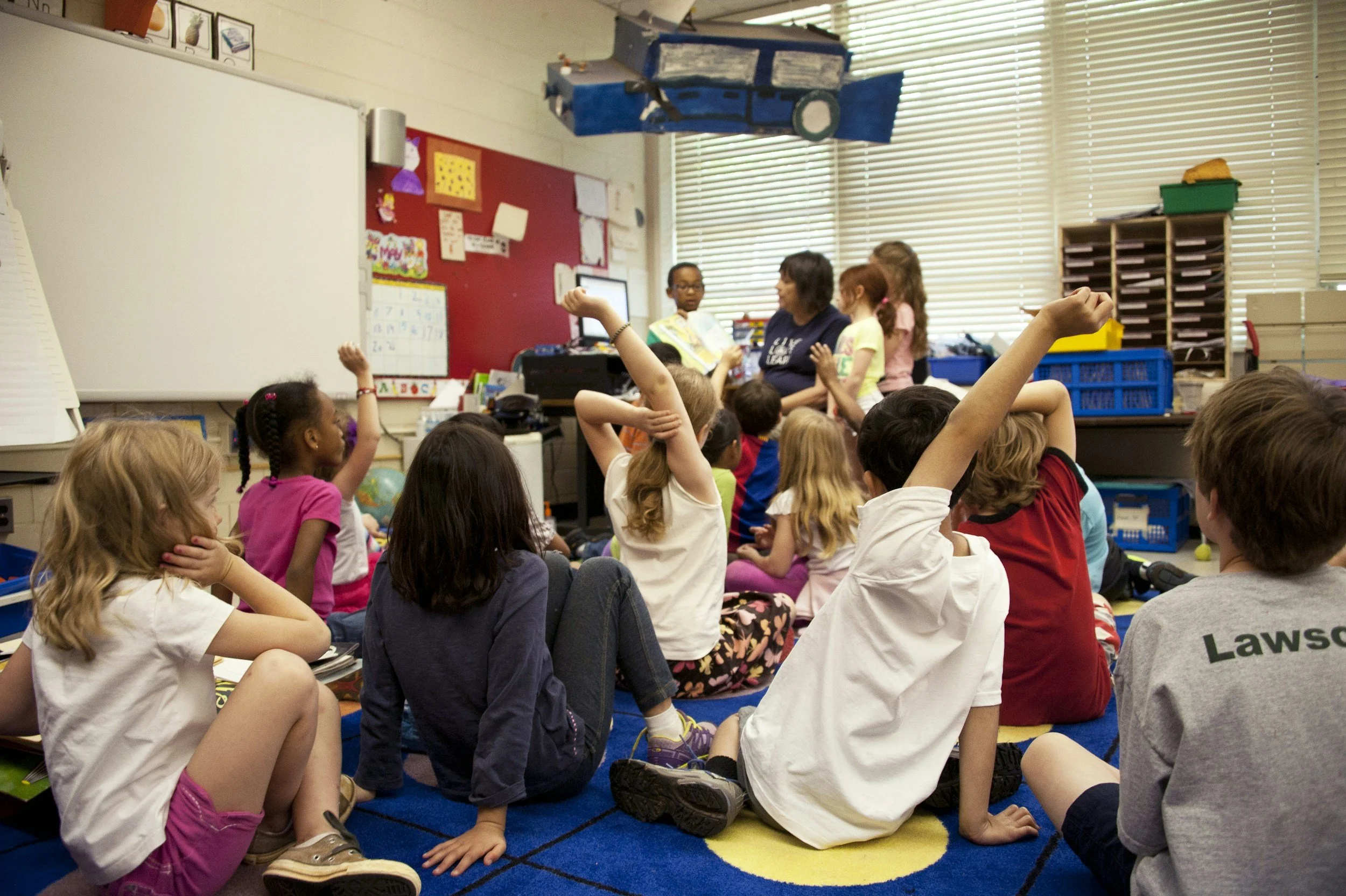
Encourage Self-Advocacy
As children grow, helping them recognize and communicate their own needs becomes increasingly important.
Self-advocacy may look different depending on age, but every child can begin learning to express what helps them succeed.
This might include:
Asking for a break
Requesting headphones
Explaining communication preferences
Identifying when they feel overwhelmed
Asking questions when something is unclear
Grant a Gift Tip:
Talk about the little things every day. When children feel safe sharing small concerns, they're more likely to come to you with bigger challenges later.
Stay Connected Throughout the Year
The first week of school is only the beginning.
Check in regularly with teachers, therapists, and support staff to celebrate successes and address concerns before they become larger challenges.
A quick email, communication notebook, or scheduled check-in can help everyone stay aligned around your child's goals.
Remember that school success is a partnership.
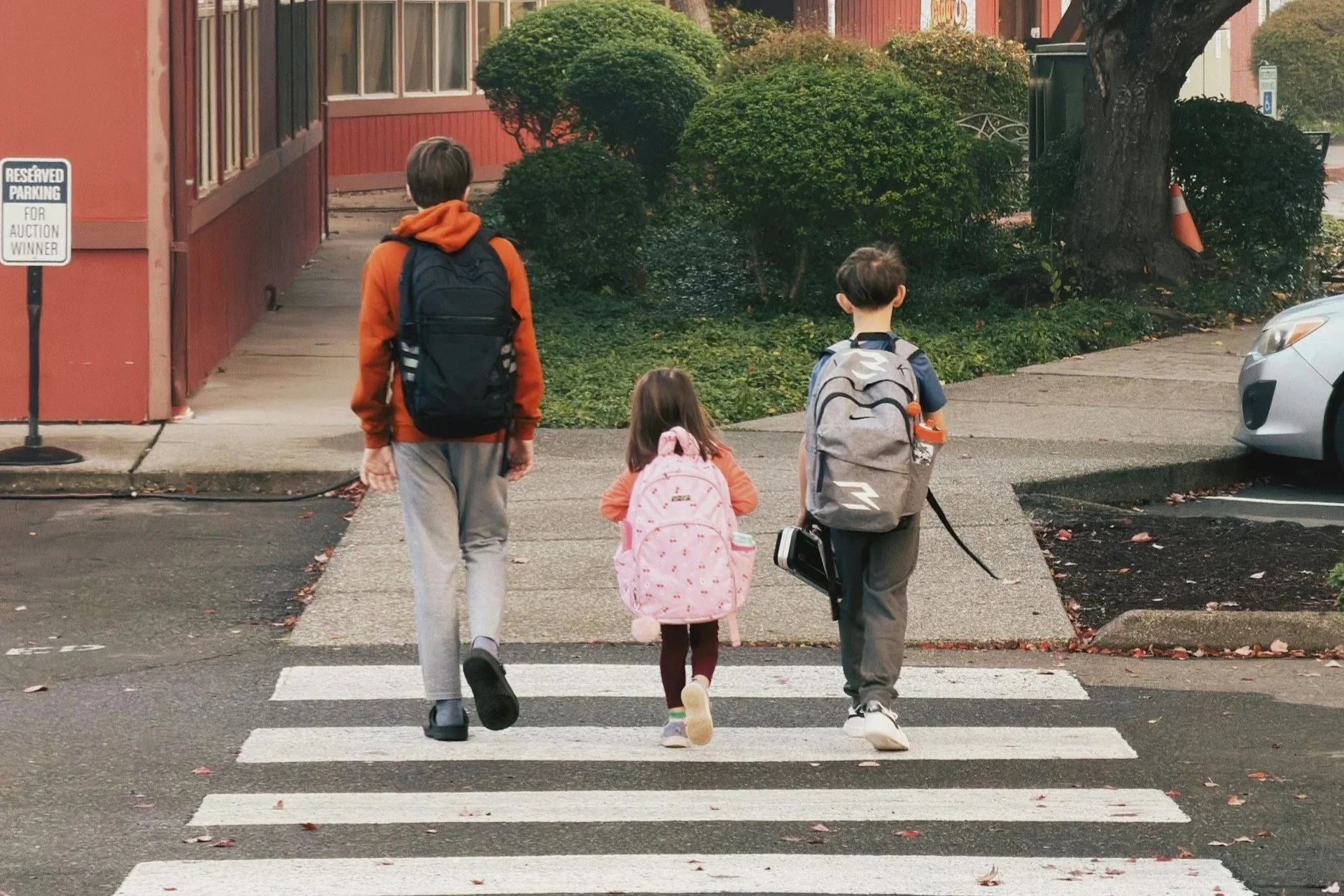
Every Child's Path Looks Different
There is no perfect first day of school.
Some children will walk into the classroom with excitement. Others may need additional reassurance, accommodations, or time to adjust. Both experiences are completely valid.
With preparation, collaboration, and the right support, autistic and neurodivergent students can build confidence, strengthen relationships, and continue developing the skills they need to succeed both inside and outside the classroom.
At the Ackerman Center, we're proud to support families throughout every stage of their journey. From diagnostic services and behavioral health to speech therapy, case management, and family resources, our multidisciplinary team is here to help children and families navigate each new milestone, including the start of another successful school year.