

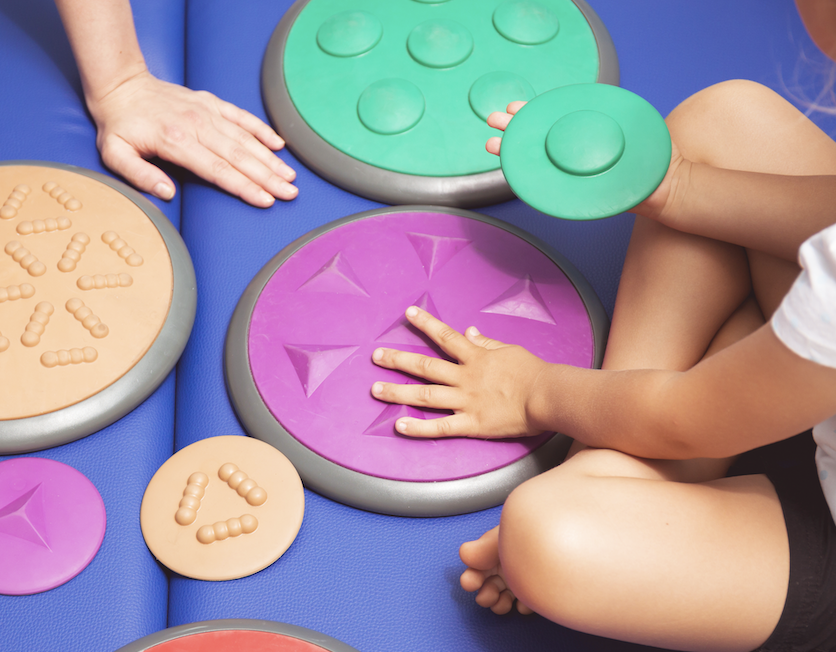
Children with sensory processing challenges have difficulty receiving, organizing, and responding to information from their senses. These challenges can present in many ways. A child may struggle with body awareness (knowing where they are in space), balance and coordination (vestibular skills), or recognizing internal states such as hunger, pain, or emotions. Others may have difficulty processing input from touch, sound, taste, smell, or sight.
Sensory differences may appear as strong reactions to loud noises, bright lights, certain textures, or being touched. They can also show up as coordination difficulties, trouble staying seated, challenges with emotional regulation, or not recognizing when they are sick or injured.
Occupational therapy (OT) helps children learn to process and respond to sensory input in healthier, more regulated ways. One common approach is sensory integration therapy. While therapy sessions take place with a trained OT, there are many simple activities you can do at home to support your child’s progress.
Six Occupational Therapy Activities to Try at Home
1. Create a Sensory Bin
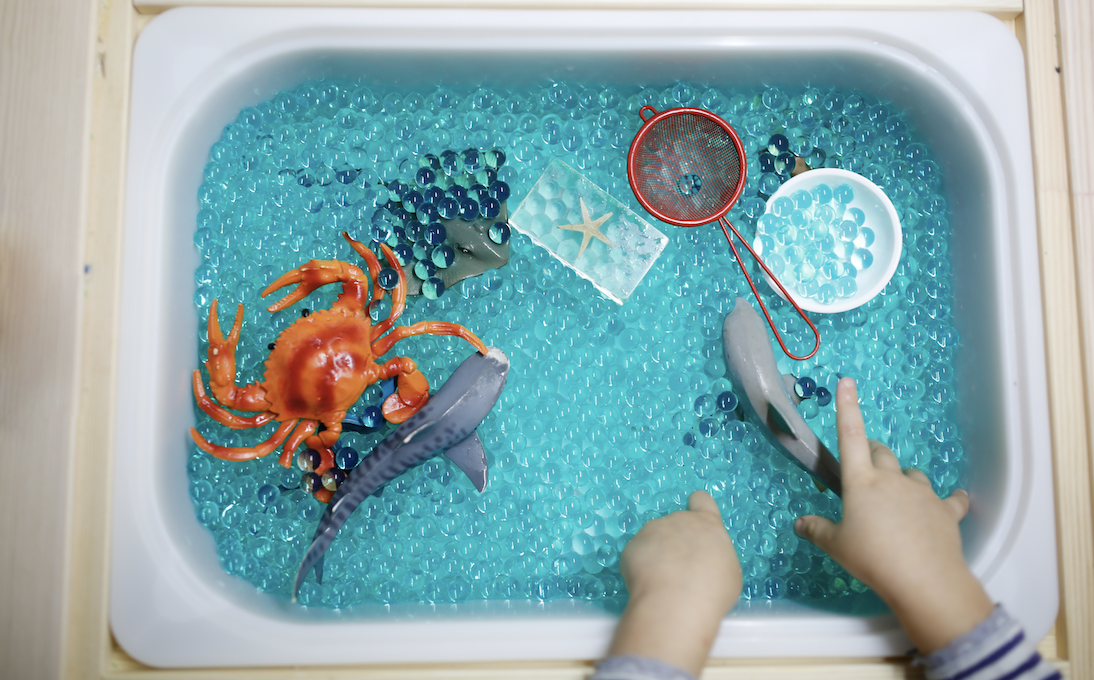
Sensory bins gently expose children to different textures while supporting visual perception, language development, and fine motor skills.
Fill a plastic container with a few simple household items such as cotton balls, dried beans, buttons, rubber balls, uncooked rice, grapes, or small stuffed animals. Allow your child to explore freely. Keep the number of items manageable to avoid overstimulation.
2. Log Roll Yoga
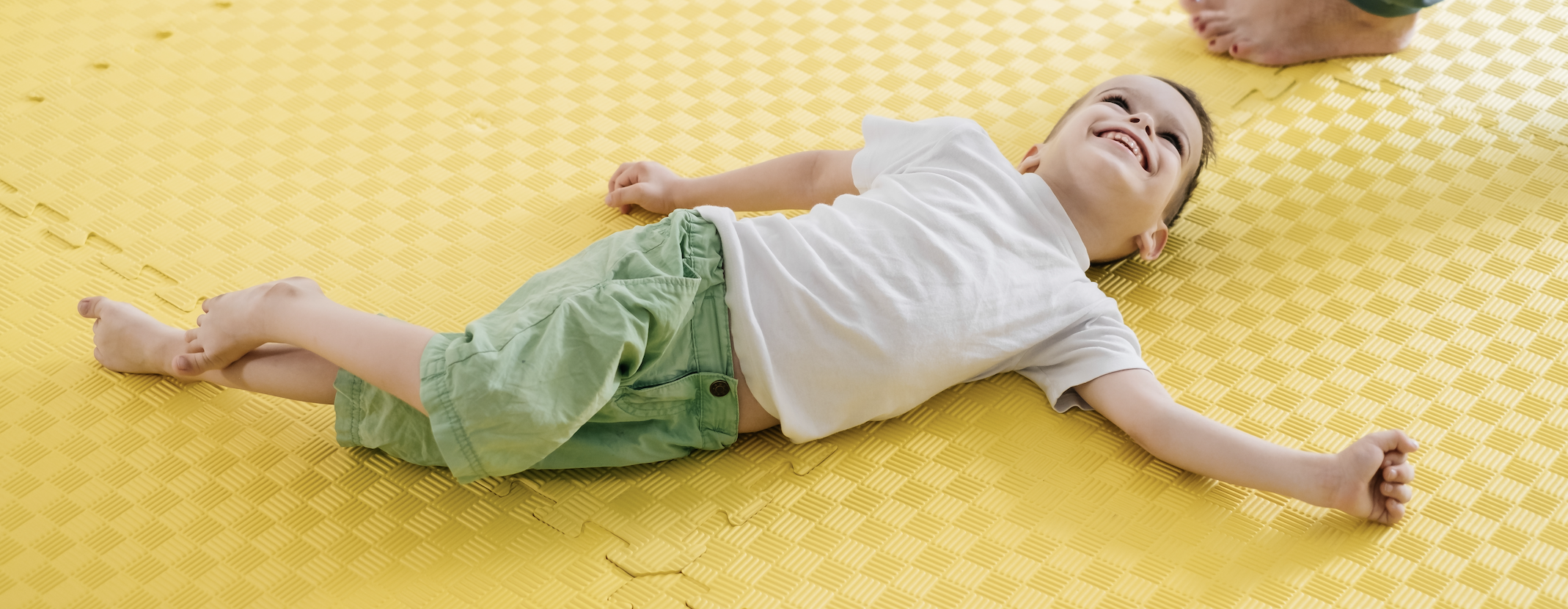
This playful movement activity supports balance, coordination, and nervous system regulation.
Have your child lie on their back with arms and legs extended straight like a log. Keeping their body tight and straight, they should roll across the floor in one direction, then reverse. This strengthens the vestibular system, which supports posture, muscle tone, coordination, and awareness of movement and gravity.
3. Homemade Play Dough
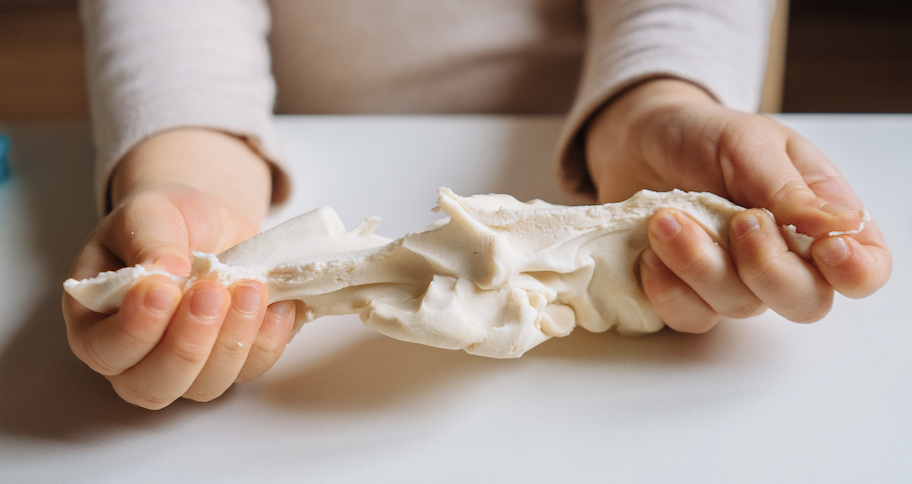
Making play dough is a sensory-rich activity that encourages following directions, exploring textures, strengthening hands, and supporting emotional regulation.
Ingredients:
1 cup flour
1 cup salt
½ cup water
Mix flour and salt. Add water and knead until smooth and firm. Then create shapes, letters, or imaginative designs together.
4. Hot Potato (with a Twist)
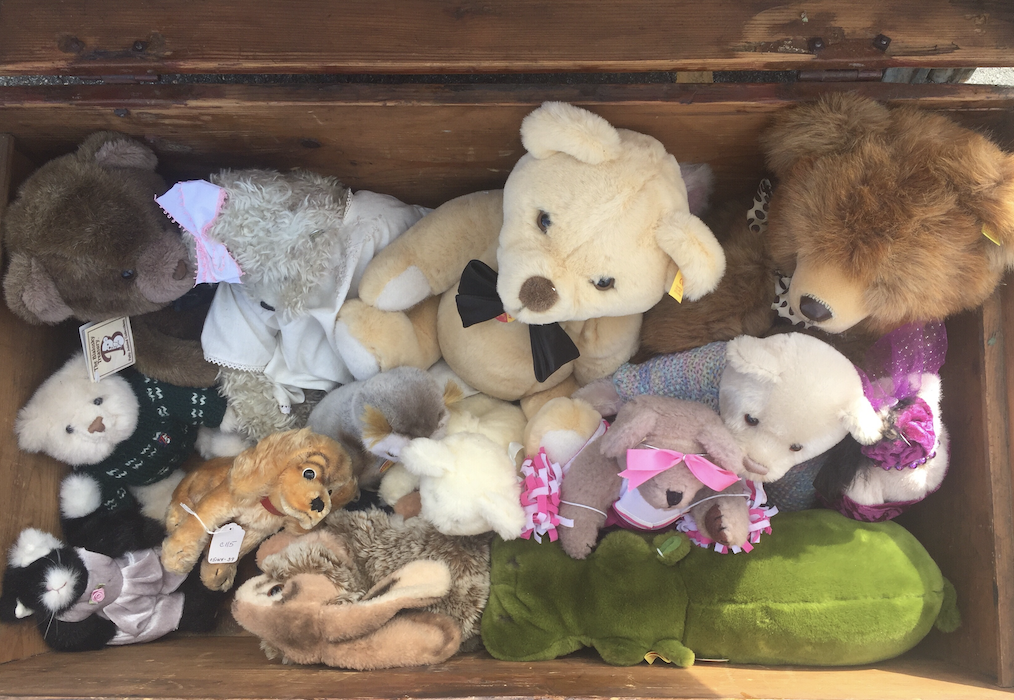
Using a heavier stuffed animal adds calming deep-pressure input while building coordination and visual skills.
Toss the stuffed animal back and forth, varying speed and distance to keep it engaging. This combines movement with sensory input in a fun, familiar format.

5. Straw Race
This activity supports oral motor coordination and breath control.
Fill a large container with water and place two lightweight floating objects inside (paper cups, leaves, small toys). Using straws, race to blow the objects from one side to the other. It’s simple, engaging, and great for strengthening mouth muscles.

6. Paper Plate Person
This craft supports body awareness, visual skills, and emotional expression.
Using a paper plate, four Popsicle sticks, and craft items for facial features, create a “person.”
Encourage your child to choose expressions that reflect how they’re feeling. Use this as a natural opportunity to talk about emotions and facial cues.
BONUS: Heavy Work Play
“Heavy work” provides deep pressure input that can be calming and organizing for many children.
Have your child push or slide a weighted object across the floor, carry groceries, or toss a medicine ball. You can also try timed squeezing: ask your child to squeeze a soft ball as hard as they can for a count of five, repeating three times. Turning it into a game helps maintain interest.
Supporting sensory development at home doesn’t require expensive equipment—just creativity, consistency, and a willingness to play. Small, intentional activities can make a meaningful difference in helping your child feel more regulated, confident, and in control.